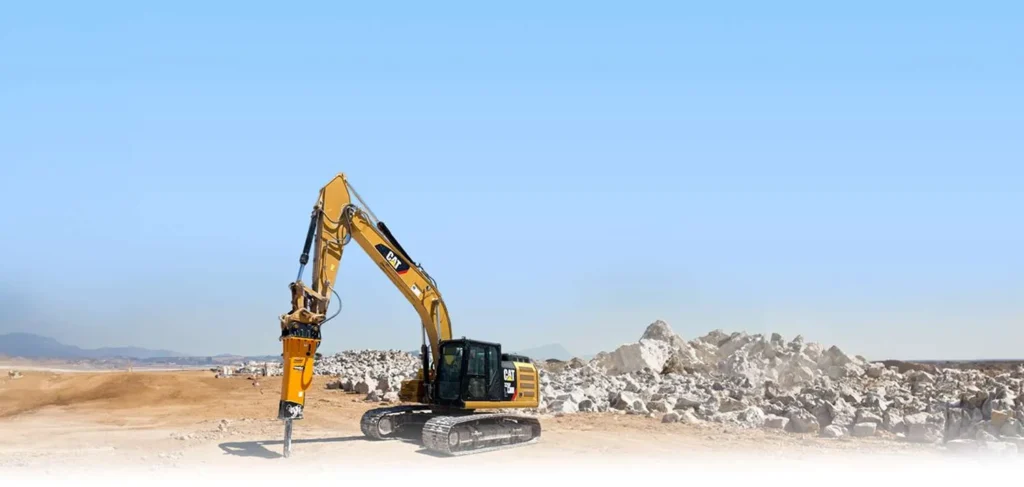
Transporting and assembling underground mining equipment is a complex process that demands precision, planning, and safety. Tight tunnels, limited access, and heavy machinery create unique challenges that surface operations never face.
Underground mining operations rely on large, powerful machines to extract and process minerals. However, getting this equipment below ground and assembling it in narrow tunnels is far from simple. Unlike open-pit sites, underground environments restrict movement, space, and visibility. As a result, mining companies use carefully planned methods, specialised transport systems, and modular equipment designs to ensure safe and efficient installation.
This article explores how underground mining equipment is transported and assembled in confined spaces, focusing on practical techniques, safety considerations, and modern innovations that improve efficiency.
Understanding the Challenges of Confined Underground Spaces
Transporting heavy machinery underground presents several unique obstacles. First, access points such as shafts and declines are often narrow and steep. This limits the size and weight of equipment that can be lowered in one piece.
Secondly, underground tunnels have restricted headroom and tight turning angles. Large equipment cannot simply be driven into position. Instead, it must be broken down into smaller components that can fit within these constraints.
Ventilation is another critical factor. Engines, dust, and heat can quickly affect air quality. Therefore, transport and assembly processes must minimise emissions and avoid unnecessary delays.
Finally, safety remains a constant priority. Workers operate in close proximity to heavy loads, often in low-light conditions. Clear procedures and reliable equipment are essential to prevent accidents.
Breaking Down Equipment into Transportable Components
To overcome space limitations, underground mining equipment is typically manufactured in modular form. This means machines are divided into smaller, manageable sections before transport.
Each component is designed for easy handling and reassembly. For example:
- Frames and chassis are separated into sections
- Engines and power units are transported individually
- Hydraulic systems are disconnected and secured, including hydraulic breakers
- Attachments and tools are packed separately
This modular approach reduces transport risk and allows for more flexibility during installation. It also makes maintenance easier, as individual parts can be replaced without removing the entire machine.
Transport Methods Used Underground
Once equipment is broken down, it must be moved safely to its final location. Several transport methods are used depending on the mine layout and depth.
1. Shaft Hoisting Systems
Vertical shafts are commonly used to lower equipment into deep mines. Specialised cages or skips carry components from the surface to underground levels. Weight limits are strictly controlled to ensure stability during descent.
2. Decline Ramps and Haulage Roads
In mines with sloped access tunnels, vehicles transport equipment down ramps. Low-profile trucks and trailers are often used to navigate tight spaces.
3. Rail Systems
Some underground operations use rail tracks to move heavy components. Locomotives pull wagons carrying machinery parts, providing a stable and efficient transport method.
4. Load-Haul-Dump (LHD) Machines
LHD machines are versatile vehicles used to move materials and equipment within the mine. Their compact design makes them ideal for confined areas.
Each method is chosen based on efficiency, safety, and the mine’s physical layout.
Precision Planning Before Assembly
Before assembly begins, detailed planning is essential. Engineers and site managers assess the installation area to ensure it can accommodate the equipment.
This process includes:
- Measuring tunnel dimensions
- Checking ground stability
- Ensuring adequate ventilation
- Planning lifting and positioning points
Digital tools such as 3D modelling and simulation software are often used to visualise the assembly process. This helps identify potential issues before work begins, reducing delays and improving safety.
Step-by-Step Assembly in Confined Spaces
Once all components reach the designated location, assembly begins. This process requires skilled technicians and specialised tools.
Positioning the Base Structure
The first step is placing the main frame or base. This serves as the foundation for the entire machine. It must be aligned accurately to ensure proper operation.
Installing Major Components
Next, key parts such as engines, gearboxes, and hydraulic systems are installed. Each component is carefully lifted and secured using cranes or lifting devices designed for underground use.
In many cases, technicians rely on compact lifting tools and precision equipment. This is where tools like hydraulic breakers play a role in adjusting rock surfaces or clearing obstacles to create stable assembly areas.
Connecting Systems and Controls
After the main components are in place, technicians connect electrical systems, hydraulic lines, and control units. Every connection is tested to ensure functionality.
Final Testing and Calibration
Once assembly is complete, the equipment undergoes thorough testing. This includes checking performance, safety systems, and operational efficiency before the machine is put into service.
Safety Measures During Transport and Assembly
Safety is central to every stage of underground equipment handling. Mining companies implement strict protocols to protect workers and equipment.
Key safety measures include:
- Regular equipment inspections
- Use of certified lifting gear
- Clear communication between team members
- Controlled movement of loads
- Adequate lighting in work areas
Training also plays a vital role. Workers must understand procedures, recognise hazards, and respond quickly to changing conditions.
The Role of Technology and Innovation
Modern technology has significantly improved how underground equipment is transported and assembled. Automation, remote operation, and advanced monitoring systems are now widely used.
For example:
- Remote-controlled vehicles reduce the need for workers in hazardous areas
- Sensors and monitoring systems track equipment movement and performance
- Battery-powered machinery reduces emissions in confined spaces
- Digital planning tools improve accuracy and efficiency
These innovations not only enhance safety but also reduce downtime and operational costs.
Importance of Efficient Workflow Management
Efficient workflow management ensures that transport and assembly processes run smoothly. Poor planning can lead to delays, increased costs, and safety risks.
To maintain efficiency, mining operations focus on:
- Coordinating transport schedules
- Ensuring timely delivery of components
- Minimising idle time
- Maintaining clear communication between teams
A well-organised workflow helps maximise productivity while reducing disruptions.
Wrapping Up
Transporting and assembling underground mining equipment in confined spaces is a highly technical process that requires careful planning, specialised tools, and skilled personnel. From modular design to advanced transport systems, every step is designed to overcome the challenges of limited space and difficult conditions.
By combining precision engineering with modern technology, mining companies can safely and efficiently install complex machinery deep underground. As the industry continues to evolve, innovations will further improve these processes, ensuring safer operations and higher productivity in even the most demanding environments.