Discovering that someone has broken into your home can be distressing and overwhelming. Alongside the emotional impact, homeowners must deal with property damage, missing belongings and immediate security concerns. Knowing which steps to take can help protect your household and prevent further complications.
From reporting the incident to arranging emergency glazing for damaged windows and glass doors, taking the right action at the right time is essential. Your priorities should include personal safety, preserving evidence, contacting your insurer and restoring the security of your property.
Step 1: Prioritise Your Personal Safety
Your immediate priority following a break-in should be the safety of everyone in your household. If you arrive home and notice a damaged door, smashed window or other signs of forced entry, avoid entering the property until you know it is safe.
If you suspect an intruder is still inside, move to a secure location and call 999. Never attempt to confront an intruder or search the property yourself. If anyone has sustained an injury, request medical assistance. Your personal safety is more important than recovering belongings or inspecting property damage.
Step 2: Report the Break-In to the Police
Contact the police as soon as possible. In the UK, you should call 999 if the burglary is ongoing or there is an immediate threat. If the incident has already occurred and there is no immediate danger, call 101 or report it through your local police force’s website.
Avon and Somerset Police+1
Provide accurate information about the condition of your property, when you discovered the break-in and any suspicious activity you noticed. Keep your crime reference number safe, as your insurance provider will usually require it when processing a burglary-related claim.
Step 3: Preserve Evidence and Document the Damage
Although cleaning up immediately may seem natural, disturbing the property could interfere with the police investigation. Avoid touching damaged windows, door handles, locks or belongings that may contain forensic evidence.
Follow police instructions before moving anything or beginning repairs. Once you have permission, document the condition of your home thoroughly.
The following actions can help support the investigation and insurance claim:
- Photograph damaged windows, doors, locks and frames.
- Record missing belongings and their approximate value.
- Preserve relevant CCTV and video doorbell recordings.
- Gather receipts, serial numbers and ownership documents.
- Make a written record of visible property damage.
- Ask neighbours to preserve any relevant security camera footage.
Keep all documentation organised and accessible. Avoid disposing of damaged belongings until your insurer confirms whether they need to be inspected.
police.uk+1
Step 4: Contact Your Home Insurance Provider
Inform your home insurance provider about the break-in promptly. Depending on your policy, buildings insurance may cover damage to the property, while contents insurance may cover stolen or damaged personal belongings.
Ask your insurer about emergency repair arrangements, policy exclusions, excess payments and any documentation required. Some insurers may require approval before permanent repairs begin.
Keep copies of repair quotations, invoices and correspondence. If urgent work is necessary to prevent further damage or unauthorised access, discuss this with your insurer as soon as reasonably possible.
Step 5: Secure Broken Windows and Glass Doors
Damaged glazing can leave your home exposed to unauthorised access, adverse weather and accidental injuries. Broken glass around entrances and windows can also create significant hazards for children and pets.
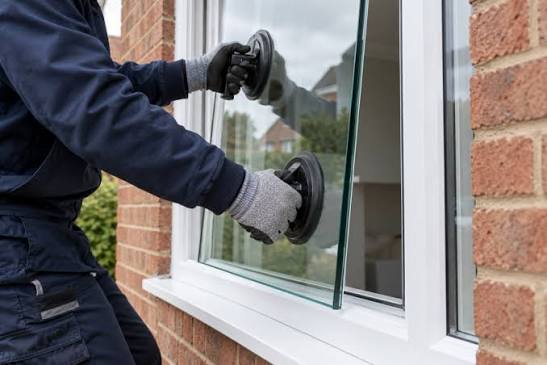
Once the police confirm that repairs can proceed, arranging emergency glazing can help address these immediate security concerns. A professional glazier can assess damaged glass, window frames and associated fittings to determine whether repairs or replacement are appropriate.
Temporary boarding may be necessary when replacement glass needs to be manufactured or ordered. This can provide short-term protection until permanent repairs are completed. Avoid handling shattered glass or attempting complicated repairs without suitable training and equipment.
Step 6: Assess Doors, Locks and Other Entry Points
A break-in can damage more than the visible point of entry. Door frames, window hinges, handles and locking mechanisms may also have sustained damage that affects their security.
Arrange a professional inspection if doors or windows no longer close properly, locks feel loose or frames appear distorted. If house keys have been stolen, consider having the affected locks replaced promptly.
Check garages, sheds, rear entrances and other accessible areas once the police have confirmed that it is safe. Addressing less obvious damage can help reduce the risk of further security problems.
Step 7: Protect Your Personal and Financial Information
Burglars may take documents, mobile phones, laptops, bank cards or other items containing sensitive personal information. Losing these belongings can create additional risks beyond the original theft.
Contact your bank immediately if payment cards or financial documents are missing. Change relevant passwords, remotely lock stolen devices where possible and review your accounts for unusual activity.
If identification documents have been stolen, contact the relevant issuing authorities. Inform the police about missing items containing personal information so these details can be included in their records.
Step 8: Review and Improve Your Home Security
Once immediate repairs are complete, assess whether your existing security measures need improvement. Focus on the condition of external doors, accessible windows, outdoor lighting and locking systems.
Consider security measures such as suitable replacement glazing, improved locks, motion-activated lighting, burglar alarms and security cameras. Choose improvements according to your property’s layout, budget and individual security requirements.
Professional advice can help you identify appropriate upgrades without spending unnecessarily on measures that offer limited practical value for your home.
Step 9: Allow Time for Emotional Recovery
A burglary can affect your sense of privacy, comfort and security. Feeling anxious, unsettled or reluctant to leave your home afterwards is understandable.
Speak to trusted friends or family members about your concerns. Victim support organisations can also provide practical guidance and emotional assistance. If anxiety or sleep difficulties persist, consider speaking to a healthcare professional. Recovering emotionally is an important part of feeling comfortable at home again.
Conclusion
Knowing what to do immediately after a break-in can help you manage the situation safely and effectively. Prioritise personal safety, report the incident, preserve evidence and contact your insurance provider before arranging permanent repairs.
Address damaged entry points promptly through appropriate locksmith services, emergency glazing and professional property inspections. Keep repair records, review existing security arrangements and make practical improvements that support the long-term safety of your household.