As the first chill of autumn arrives and you fire up the heating, many homes face the same soggy surprise: radiators that suddenly weep. Thermal expansion, dormant corrosion and tired seals all wake up together. Understanding why this happens lets you act early, protect floors and keep warmth flowing efficiently through the colder months ahead.
Autumn brings that familiar moment when the thermostat clicks on for the first time in months. Warmth spreads through the house, yet a small puddle or damp patch appears beneath a radiator. A radiator leaking at this precise point is one of the most common seasonal heating complaints. The system has sat quiet through summer; metal has cooled and contracted, seals have dried, and microscopic weaknesses have waited. Switch on the heat and pressure rises, metal expands, and any weak joint or corroded spot begins to weep. Left unchecked, the drip can stain flooring, drop system pressure and waste energy just when you need reliable heat most.
The Science Behind the Sudden Weep
When central heating stays off for weeks, radiator metal cools and contracts slightly. Joints and valve seals that were snug under winter pressure relax. Water inhibitors may settle, allowing mild corrosion to progress out of sight. Turn the system back on and two things happen at once. Water temperature climbs, the volume expands, and pressure inside the sealed circuit rises. The metal of the radiator and pipework expands too. Any seal that has stiffened or any tiny pinhole that has formed now faces fresh stress. The result is a slow drip that often appears only while the heating runs.
How System Pressure Plays a Part
Most sealed heating systems run at around 1 to 1.5 bar when cold. Once the boiler fires and water heats, pressure climbs. If the expansion vessel has lost its charge or the system already sits near the upper limit, that extra pressure finds the weakest point. Valves, olives and aged metal then give way. Checking the pressure gauge before and after the first autumn switch-on quickly shows whether the rise is normal or excessive.
Common Places the Leak Appears
- Valve and spindle seals Worn packing around the valve spindle is a frequent culprit. After months of inactivity the seal dries and hardens; heat and pressure force a fine weep past it.
- Compression joints and olives The nut that joins the valve to the copper pipe can loosen fractionally as metal expands and contracts. A once-tight olive may no longer hold under working pressure.
- Bleed valves If the air vent was disturbed during spring cleaning or left slightly open, residual moisture or a worn washer can allow water to escape once the system is hot.
- Radiator body corrosion Internal sludge and oxygen left in the system over summer accelerate rust. Thin spots eventually form pinholes that only show when the radiator is under full pressure and temperature.
Practical Steps to Spot and Limit Damage
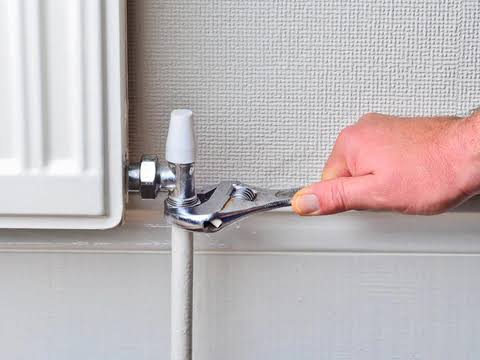
Keep an eye on boiler pressure. A gradual drop after the heating comes on often points to a slow leak somewhere in the circuit. Dry the radiator and surrounding floor, then wrap tissue around each joint and valve while the system is hot. The first damp patch reveals the exact source. Tighten loose nuts carefully with a suitable spanner, but avoid over-tightening, which can crack brass. For spindle leaks a simple gland adjustment sometimes stops the drip. If water is brown or the radiator shows external rust, the body itself is likely compromised and temporary sealants rarely last.
Simple Prevention Steps for Next Year
Bleed every radiator before the heating season starts to remove trapped air. Confirm the system contains a fresh dose of corrosion inhibitor and consider fitting a magnetic filter to catch sludge. Keep an eye on pressure throughout the colder months and top up only when needed. These small habits reduce stress on joints and metal, cutting the chance of another autumn surprise.
When Replacement Makes More Sense Than Repair
A single valve can often be replaced, yet repeated leaks or visible corrosion signal deeper wear. Modern radiators offer tighter manufacturing tolerances, better corrosion resistance and improved heat output for the same energy input. Upgrading removes the weak points that caused the original radiator leaking problem and delivers more even warmth with lower running costs. Choose models tested to current standards and sized correctly for the room; the long-term saving in repairs and energy usually outweighs the initial outlay.
FAQs
Why does the leak only appear when the heating is on?
Heat expands both the water and the metal. Joints that stay dry under cold, low-pressure conditions open just enough once the system is hot and pressurised.
Can I simply turn the heating off to stop the drip?
Switching off reduces pressure and may slow the leak, but the underlying fault remains. Address the cause before colder weather arrives.
Is brown water a bigger worry than clear water?
Yes. Discoloured water usually means internal corrosion and possible pinholes in the radiator body rather than a simple joint issue.
How often should I check inhibitor levels?
Most systems benefit from a check and top-up every twelve months, ideally before the heating season starts.
Will a new radiator stop future autumn leaks?
A correctly installed modern radiator with sound valves and inhibitor protection greatly reduces the chance of seasonal weeping. A radiator leaking at the first switch-on of autumn is rarely random. Thermal expansion, summer corrosion and tired seals combine to reveal weaknesses that stayed hidden while the system was cold. Early detection, careful tightening of joints and timely replacement of worn parts protect your floors and keep heating costs under control. Regular bleeding, inhibitor top-ups and a magnetic filter add further defence. When leaks become frequent or the radiator itself shows rust, upgrading to a modern, efficient unit removes the weak points and restores reliable performance for the winters ahead. Act now and the only thing flowing freely this autumn will be clean, even heat.